 author
Windows 12
Microsoft Windows 12: The Future of Operating Systems
Introduction
Microsoft’s Windows operating system has been at the heart of personal computing for decades, evolving with the times to meet the ever-changing needs of users. From the iconic Windows 95 to the robust Windows 10, and the modernized Windows 11, Microsoft has continued to refine the user experience and system performance. Now, with rumors and early builds pointing toward Windows 12, the tech community is abuzz with speculation and excitement.
While Microsoft has yet to officially announce a release date, numerous leaks, insider reports, and previews suggest that Windows 12 is more than just a concept—it’s an ambitious step forward in computing. This article delves into everything we know and can reasonably expect from Windows 12, including new features, system requirements, design changes, and its potential impact on both individual users and businesses.
1. The Journey to Windows 12
The transition from Windows 10 to Windows 11 marked a significant shift. Microsoft introduced a sleeker interface, improved window management with Snap Layouts, deeper integration with Microsoft Teams, and better support for hybrid work environments. Windows 11 set the stage for a more cohesive and cloud-integrated OS, signaling that Microsoft was ready to embrace the future of computing.
Windows 12 is expected to build upon this foundation with major architectural changes, including deeper AI integration, a modular design, and cloud-first functionalities.
2. Expected Release Date
Microsoft hasn’t confirmed a release date for Windows 12, but tech insiders and leakers suggest a potential launch in late 2025, aligning with Microsoft’s three-year update cycle. Windows 11 was released in October 2021, and given Microsoft’s renewed commitment to more frequent OS updates, the 2025 timeline appears credible.
In addition, internal documentation reportedly surfaced during the Intel Developer Conference and among OEM partners suggesting that “Windows 12-compatible hardware” would start arriving in mid-to-late 2024, further fueling the anticipation.
3. A Fresh User Interface
One of the most talked-about aspects of Windows 12 is its redesigned user interface. Microsoft appears to be focusing on simplicity, productivity, and customization. Here are some notable changes expected in Windows 12’s UI:
3.1 Floating Taskbar and System Tray
Early screenshots from test builds suggest a floating taskbar and a modular system tray, potentially offering a cleaner desktop with more customization options.
3.2 Revamped Widgets Panel
Widgets, introduced in Windows 11, are expected to play a bigger role in Windows 12. Users may see more interactive, AI-driven widgets that offer real-time updates, deeper integration with Microsoft services, and even third-party support.
3.3 Enhanced File Explorer
File Explorer is also getting a facelift. A redesigned layout, tab support, and cloud-based file previews will likely become standard, helping users manage files more efficiently across local and cloud storage.
4. AI Integration
Windows 12 is set to be Microsoft’s first AI-native operating system. Following the company’s major investments in AI through its partnership with OpenAI, Windows 12 is expected to integrate AI at the core level.
4.1 AI Copilot
The Windows Copilot, introduced in Windows 11, is expected to evolve into a more powerful assistant. Copilot in Windows 12 could function as an OS-wide digital helper—managing settings, suggesting app workflows, organizing files, and even automating repetitive tasks.
4.2 Personalized Experiences
AI will likely power context-aware adjustments, such as changing settings based on user behavior, time of day, or activity. Whether you’re gaming, working, or watching media, the system may adapt accordingly.
4.3 AI-Powered Search and Settings
Microsoft is working to unify and supercharge the search experience. Windows 12’s search will likely be AI-enhanced, capable of understanding natural language queries and retrieving files, apps, or settings more intuitively.
5. Cloud and Hybrid Integration
In line with enterprise and hybrid work trends, Windows 12 will deepen its integration with the cloud:
5.1 Cloud PC Integration
Through Windows 365, Microsoft already offers Cloud PCs—virtual desktops hosted on Azure. In Windows 12, native support for transitioning between a physical device and a Cloud PC might be seamless, enabling a more flexible working model.
5.2 OneDrive Evolution
Expect tighter OneDrive integration, with more options to store, back up, and access files directly from File Explorer, without needing manual syncing or external configuration.
6. Modular Architecture
Microsoft is reportedly adopting a modular architecture with Windows 12, likely based on the CorePC platform. Unlike previous monolithic builds, CorePC will allow Microsoft to tailor different versions of Windows to different devices and user needs.
6.1 Benefits of Modular Design
- Lightweight builds for education or low-power devices
- Feature-rich versions for power users and enterprises
- Easier updates and security patching
- Improved stability and performance
This approach also allows for separation of the system core from user data, which may improve recovery options and reduce corruption risks.
7. System Requirements
As with Windows 11, hardware requirements will be a critical factor. While exact specifications have not been released, early indicators suggest that Windows 12 may require even more modern hardware, including:
- TPM 2.0 (Trusted Platform Module)
- UEFI with Secure Boot
- 64-bit CPU with at least 4 cores
- 8GB RAM minimum
- SSD storage (HDDs may not be supported for primary drives)
- AI-capable NPUs (Neural Processing Units) for enhanced performance
These requirements would allow Windows 12 to leverage AI and cloud features effectively, but may also leave some older hardware behind.

8. Gaming Enhancements
Gaming is a core part of Windows’ identity, and Windows 12 is expected to deliver significant upgrades:
8.1 DirectStorage 2.0
Building on the improvements seen in Windows 11, DirectStorage 2.0 will reduce load times and enhance game streaming from NVMe SSDs.
8.2 Auto HDR and Improved Ray Tracing
Windows 12 will likely support improved HDR capabilities and optimized ray tracing performance, allowing for more immersive visuals.
8.3 Xbox Cloud Gaming Integration
Deeper integration with the Xbox ecosystem and cloud gaming services is expected, giving gamers more flexibility and instant access to their libraries across devices.
9. Security and Privacy
Security is a top priority for Microsoft, especially as threats grow in sophistication. Windows 12 is expected to include:
9.1 Enhanced Windows Hello
Biometric security will be faster and more reliable, with potential support for multi-factor authentication via facial recognition and wearable devices.
9.2 Smart App Control
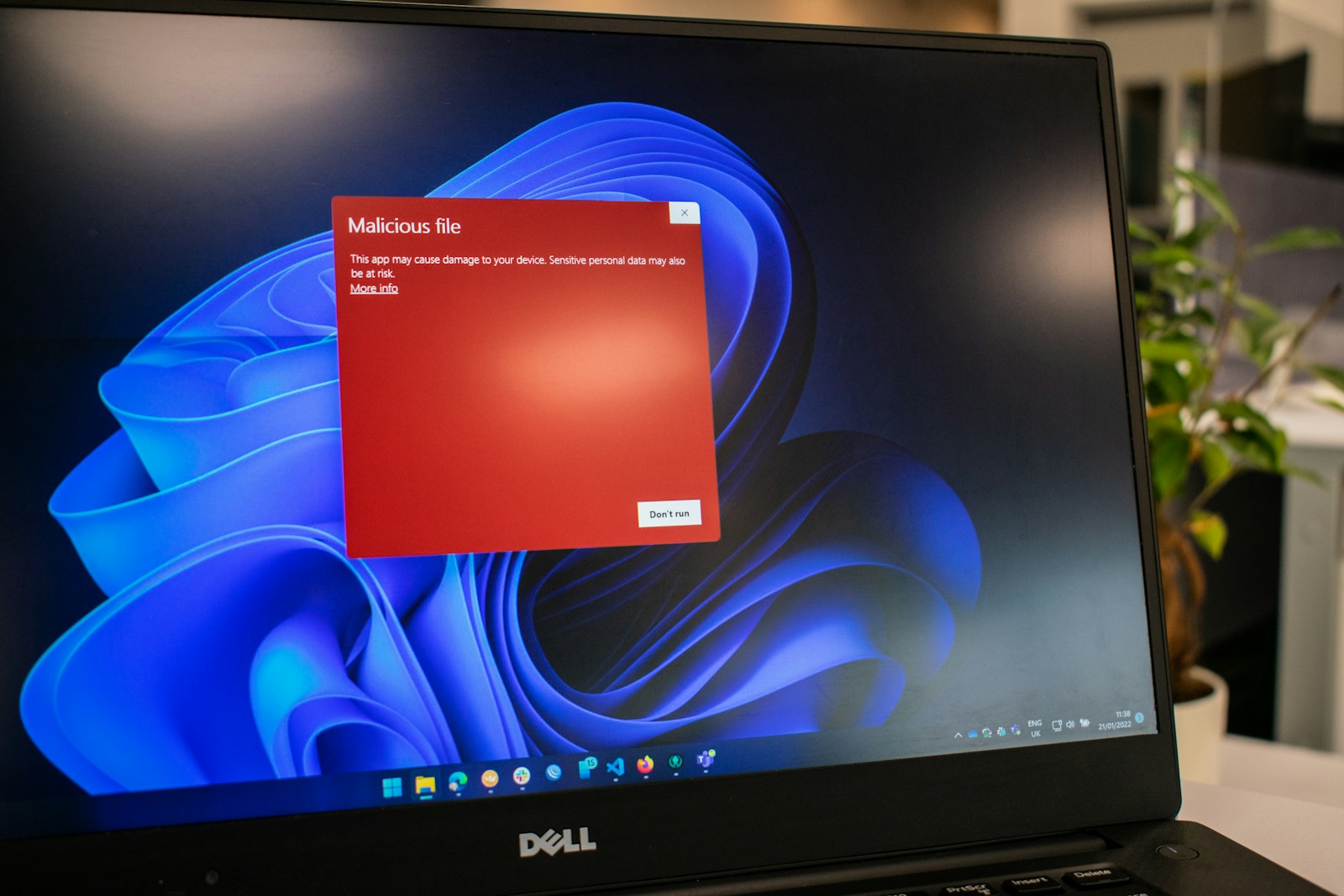
Building on the Smart App Control from Windows 11, Windows 12 may expand AI-driven app reputation checks, protecting users from malware and PUPs (Potentially Unwanted Programs).
9.3 Virtualization-Based Security (VBS)
VBS may be turned on by default, protecting system memory and preventing kernel-level exploits.
10. Enterprise Features
Businesses stand to benefit significantly from Windows 12’s new features:
- Streamlined deployment with modular installation
- Better support for virtual desktops and cloud PCs
- Granular admin control via Microsoft Endpoint Manager
- Improved remote management tools
- AI analytics for user productivity and system health
Windows 12 could become the most business-friendly Windows yet, especially for hybrid and remote workforces.
11. Backward Compatibility and Legacy Support
One concern with any new OS release is compatibility. While Microsoft will likely continue supporting key legacy apps, it’s expected that:
- 32-bit apps may no longer be natively supported
- Legacy drivers could face restrictions or be phased out
- A shift to modern APIs (WinUI 3, WebView2) will be encouraged
For businesses and users relying on older software, virtualization or compatibility layers may be necessary.
12. Developer Experience
Windows 12 is poised to improve the developer experience with:
- WSL (Windows Subsystem for Linux) enhancements
- Better container support with Windows Containers
- Visual Studio and GitHub integration
- Progressive Web App (PWA) support
- AI-assisted coding tools, likely integrating GitHub Copilot more deeply into the OS
13. Environmental and Sustainability Focus
Microsoft has made sustainability a priority. Expect Windows 12 to include:
- Energy-efficient modes
- Carbon-aware updates (e.g., scheduling updates when cleaner energy is available)
- Battery optimization for laptops
- Better e-waste reporting tools for enterprise IT departments
14. What Windows 12 Means for Users
For casual users, Windows 12 will offer:
- A cleaner, smarter UI
- AI-driven assistance
- Faster performance and boot times
- Better security out-of-the-box
For professionals and power users:
- Cloud-enhanced flexibility
- Better virtualization and remote desktop capabilities
- New productivity tools
For gamers:
- State-of-the-art graphics support
- Improved latency and streaming
- Seamless Xbox integration
Conclusion: The Future is Intelligent and Modular
Windows 12 represents a pivotal moment in Microsoft’s strategy. It is no longer just an operating system—it’s a platform for AI, cloud computing, and modular design that adapts to different user needs. If Windows 11 was about modernization, Windows 12 is about intelligence, adaptability, and forward-thinking integration.
While questions remain about compatibility, system requirements, and licensing, one thing is certain: Windows 12 is shaping up to redefine what an operating system can be in the age of AI and hybrid computing.
For users, it means greater power and personalization. For developers, more efficient tools and frameworks. For businesses, smarter management and better ROI. As we inch closer to its expected release, Windows 12 is not just the next step—it’s a leap into the future.
FAQs
Windows 12 – FAQs
- Q: Has Microsoft officially released Windows 12?
A: As of now, Microsoft has not officially released Windows 12. It is expected sometime in 2025. - Q: What are the key features of Windows 12?
A: Windows 12 is expected to include AI-powered features, a redesigned taskbar, faster updates, and better cloud integration. - Q: Will Windows 12 be a free upgrade?
A: It is likely to be a free upgrade for Windows 11 users, similar to previous OS upgrades. - Q: What are the system requirements for Windows 12?
A: Expected requirements include TPM 2.0, UEFI boot, 8 GB RAM, 64 GB storage, and a compatible 64-bit processor. - Q: Will Windows 12 support older PCs?
A: Like Windows 11, Windows 12 may not support PCs without TPM 2.0 or older CPUs. - Q: Is Windows 12 based on the same kernel as Windows 11?
A: Yes, it is expected to build upon the same Windows NT kernel with improvements. - Q: Will Windows 12 have AI integration?
A: Yes, Microsoft is expected to deeply integrate AI, especially through Copilot and system-wide smart suggestions. - Q: Is the Start Menu changing in Windows 12?
A: Leaks suggest a cleaner, modular Start Menu with dynamic widgets. - Q: Will Windows 12 require an online Microsoft account?
A: For Home and possibly Pro editions, an online Microsoft account might be mandatory during setup. - Q: Can I disable AI features in Windows 12?
A: Likely yes, but full details will be clear upon release. - Q: What will happen to Windows 11 after Windows 12 launches?
A: Windows 11 will continue to receive support and updates for several more years. - Q: Is Windows 12 faster than Windows 11?
A: Initial benchmarks and tests suggest performance improvements, especially with newer hardware. - Q: Will Windows 12 support Android apps?
A: Android app support is expected to continue or improve via Amazon Appstore or other methods. - Q: Are there new gaming features in Windows 12?
A: Yes, improved DirectX support, better game mode, and frame optimization are anticipated. - Q: Will Windows 12 work with existing software?
A: Most Windows 10/11 apps should remain compatible with Windows 12. - Q: Can I upgrade directly from Windows 10 to Windows 12?
A: Possibly yes, if your hardware meets the requirements. - Q: Will the Control Panel still exist in Windows 12?
A: It may be further reduced as Settings becomes more comprehensive. - Q: What is Copilot in Windows 12?
A: Copilot is Microsoft’s AI assistant, integrated across the OS for productivity, search, and help. - Q: Can I dual boot Windows 12 with Linux?
A: Yes, dual booting remains possible, especially using UEFI with proper setup. - Q: Will Windows 12 be more secure?
A: Yes, Microsoft is expected to enhance security with better isolation, encryption, and AI threat detection. - Q: Will there be different editions of Windows 12?
A: Yes – Home, Pro, Enterprise, and Education editions are expected. - Q: Will my drivers work with Windows 12?
A: Most Windows 11 drivers will be compatible; however, updates may be needed for optimal performance. - Q: Can I uninstall unwanted apps in Windows 12?
A: Microsoft may allow more system apps to be uninstalled, based on user feedback. - Q: Does Windows 12 support ARM processors?
A: Yes, with improved support for ARM64 and enhanced performance for ARM-based devices. - Q: When is the official release date of Windows 12?
A: An official release is expected in late 2025, possibly in Q4, but Microsoft has not confirmed the exact date.