

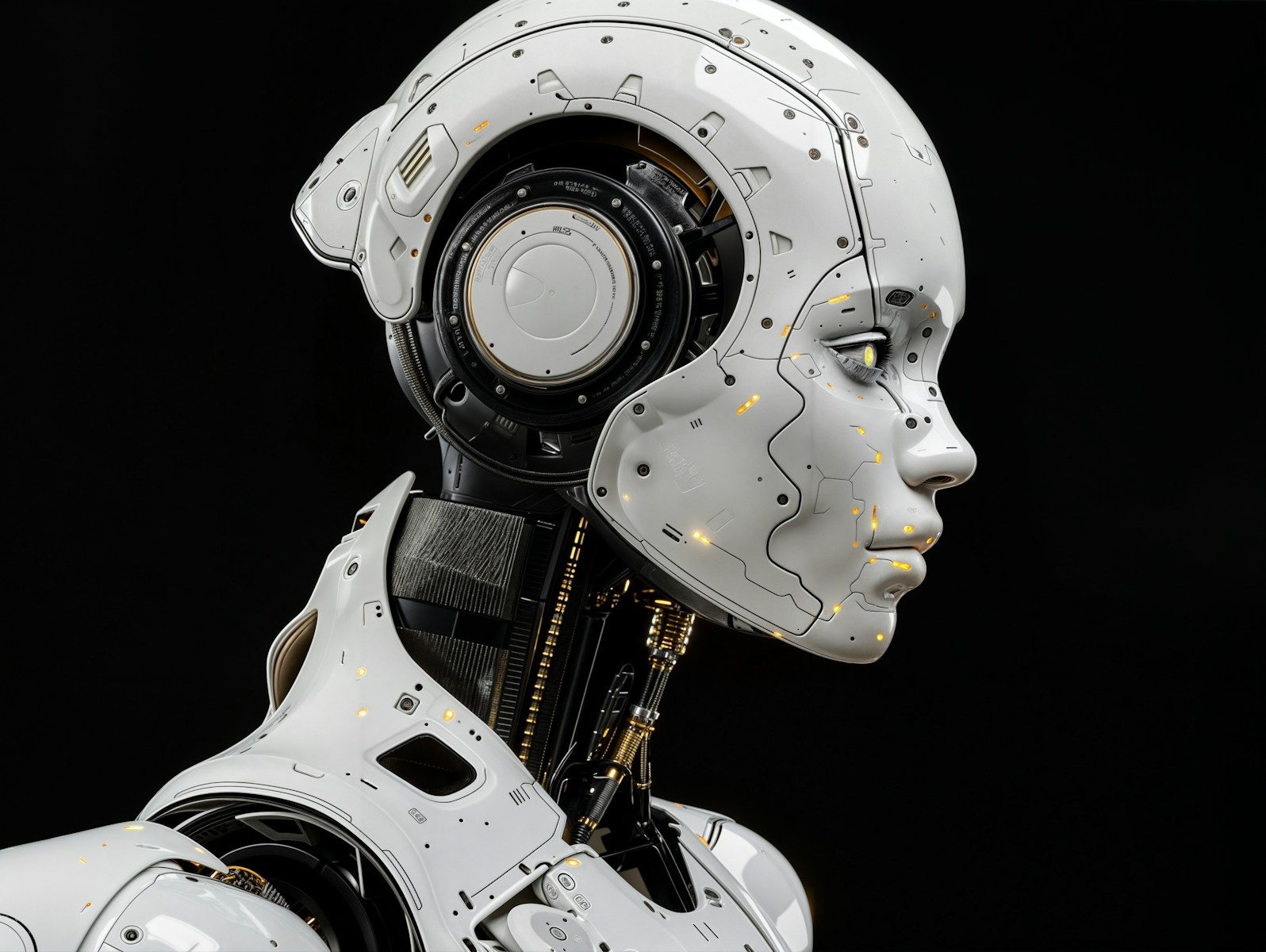
AI vs Human Jobs – Which Careers Are Safe in the Future in India?
AI vs Human Jobs
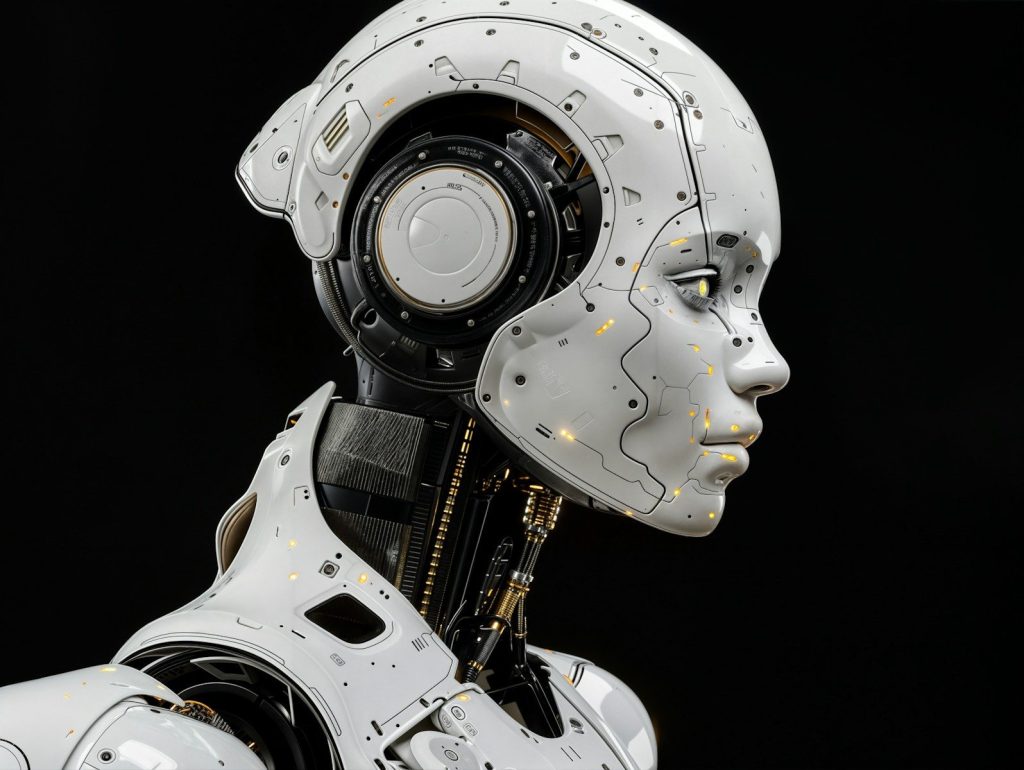
Artificial Intelligence is transforming the way people work across the world, and India is no exception. From banking and healthcare to customer service and content creation, AI-powered systems are changing industries rapidly. Many people now wonder whether artificial intelligence will replace human jobs completely or whether humans will continue to remain essential in the future workforce.
The rise of AI tools, automation software, robotics, and machine learning has created both excitement and fear. Some workers worry that machines may replace their jobs, while others believe AI will create entirely new career opportunities. In India, where millions of young people enter the workforce every year, understanding the future of jobs has become extremely important.
The reality is more balanced than many people think. AI will certainly automate repetitive and predictable tasks, but it will also increase demand for human skills that machines cannot easily replicate. Careers requiring creativity, emotional intelligence, leadership, critical thinking, ethics, and human interaction are likely to remain valuable for decades.
In this article, we will explore how AI is affecting jobs in India, which careers are most at risk, which professions are safer, and how people can prepare for the future job market.
Understanding Artificial Intelligence and Automation
Artificial Intelligence refers to computer systems capable of performing tasks that normally require human intelligence. These tasks include:
- Writing
- Image generation
- Data analysis
- Language translation
- Customer support
- Coding
- Decision-making
- Pattern recognition
Automation means using technology to perform tasks with minimal human intervention. AI and automation together are reshaping industries by increasing speed, reducing costs, and improving efficiency.
In India, businesses are increasingly adopting AI because:
- Labor-intensive work is expensive at scale
- Companies want faster customer service
- Data analysis improves business decisions
- Automation reduces repetitive manual work
However, this does not necessarily mean humans will become unnecessary.
How AI Is Changing Jobs in India
India has one of the world’s largest workforces. Sectors such as IT, customer support, manufacturing, finance, education, media, and retail are already seeing AI integration.
Industries Being Transformed by AI
1. IT and Software
AI coding assistants now help developers write code faster, detect bugs, and automate testing.
2. Banking and Finance
Banks use AI for fraud detection, customer support chatbots, and risk analysis.
3. Customer Service
AI chatbots handle common customer queries 24/7.
4. Media and Content Creation
AI tools generate articles, videos, images, and marketing content quickly.
5. Healthcare
AI assists doctors in diagnostics, medical imaging, and patient data analysis.
6. Manufacturing
Robotics and AI systems automate repetitive factory tasks.
7. Retail and Ecommerce
AI powers product recommendations, inventory management, and customer analytics.
As AI adoption grows, job roles are evolving rather than disappearing entirely.
Will AI Replace Human Jobs Completely?
The simple answer is no.
AI is powerful at handling repetitive, data-heavy, and rule-based tasks. However, humans still outperform AI in many important areas such as:
- Emotional understanding
- Creativity
- Leadership
- Ethics
- Strategic thinking
- Human relationships
- Cultural understanding
Historically, technology has always changed jobs rather than eliminating all work. For example:
- Computers reduced some manual accounting jobs but created software and IT industries.
- Internet growth changed retail but created ecommerce businesses.
- Smartphones replaced some industries while creating app development and digital marketing careers.
Similarly, AI will replace certain tasks while creating new opportunities.
Jobs Most at Risk from AI in India
Some careers involve repetitive and predictable work, making them more vulnerable to automation.
1. Data Entry Jobs
Simple data processing and form-filling work can now be automated using AI systems.
Risk Level:
Very High
2. Basic Customer Support
AI chatbots can answer common customer questions without human agents.
Risk Level:
High
3. Repetitive Manufacturing Jobs
Robots can perform repetitive assembly-line work faster and more accurately.
Risk Level:
High
4. Basic Content Writing
AI tools can generate simple articles, product descriptions, and summaries.
Risk Level:
Moderate to High
5. Basic Accounting Tasks
Invoice processing and routine bookkeeping are increasingly automated.
Risk Level:
Moderate
6. Simple Graphic Design
AI image generators and design tools can create basic graphics quickly.
Risk Level:
Moderate
7. Telemarketing
AI voice systems and automation tools reduce the need for traditional telemarketing.
Risk Level:
High
Careers Likely to Remain Safe in the Future
Jobs requiring human judgment, empathy, creativity, and complex problem-solving are more resistant to automation.
1. Healthcare Professionals
Doctors, nurses, therapists, and healthcare workers involve direct human care and emotional interaction.
AI can assist healthcare professionals, but it cannot fully replace human compassion and trust.
Safe Careers:
- Doctors
- Surgeons
- Psychologists
- Nurses
- Physiotherapists
Future Outlook:
Very Strong
2. Teachers and Educators
AI can provide educational content, but teachers inspire, guide, and emotionally support students.
Human mentorship remains essential in learning environments.
Safe Careers:
- School teachers
- Professors
- Trainers
- Career counselors
Future Outlook:
Strong
3. Skilled Software Engineers
Although AI can generate code, skilled developers are still needed for:
- System architecture
- Problem-solving
- Security
- Innovation
- AI management
Safe Careers:
- AI engineers
- Cybersecurity experts
- Cloud architects
- Full-stack developers
Future Outlook:
Very Strong
4. Creative Professionals
Creativity remains one of the most human qualities.
AI can assist creative work, but original ideas, storytelling, and emotional depth still come from humans.
Safe Careers:
- Film directors
- Writers
- Musicians
- Brand strategists
- Creative marketers
Future Outlook:
Strong
5. Skilled Trades and Physical Work
Many physical jobs require adaptability and real-world decision-making that robots struggle with.
Safe Careers:
- Electricians
- Plumbers
- Mechanics
- Construction supervisors
- Technicians
Future Outlook:
Stable
6. Lawyers and Legal Experts
AI can assist legal research, but court arguments, negotiations, and legal strategy require human expertise.
Future Outlook:
Moderately Strong
7. Business Leadership Roles
Leadership involves emotional intelligence, vision, negotiation, and decision-making.
Safe Careers:
- Entrepreneurs
- CEOs
- Managers
- Consultants
Future Outlook:
Very Strong
8. Mental Health Professionals
Human emotional support is difficult for AI to replicate effectively.
Safe Careers:
- Therapists
- Counselors
- Psychiatrists
Future Outlook:
Very Strong
New Careers Being Created by AI
AI is not only replacing tasks; it is also creating new job categories.
Emerging AI Careers in India
AI Prompt Engineers
Experts who create effective prompts for AI systems.
AI Trainers
People who help improve AI models with human feedback.
AI Ethics Specialists
Professionals ensuring AI systems remain fair and safe.
AI Content Editors
Humans who refine and improve AI-generated content.
Automation Consultants
Experts helping businesses implement AI solutions.
AI Product Managers
Professionals managing AI-based products and services.
These careers are expected to grow rapidly over the next decade.
Why Human Skills Will Still Matter
Even in a highly automated world, human qualities remain valuable.
Emotional Intelligence
Humans understand emotions, relationships, empathy, and trust better than machines.
Creativity
AI can imitate styles but struggles with truly original thinking.
Ethics and Morality
Humans make ethical judgments based on culture, society, and values.
Leadership
People prefer human leaders during uncertainty and complex decision-making.
Adaptability
Humans can adapt quickly to unpredictable real-world situations.
Skills Indians Should Learn for the Future
To remain competitive, workers should focus on future-proof skills.
1. Digital Skills
Basic computer literacy is now essential in nearly every industry.
2. AI Literacy
Understanding how AI tools work will become increasingly valuable.
3. Communication Skills
Strong speaking and writing skills remain highly valuable.
4. Problem-Solving
Critical thinking and analytical abilities are difficult to automate.
5. Creativity
Creative thinking helps people stand out even with AI assistance.
6. Leadership Skills
Managing teams and people will continue to require human involvement.
7. Emotional Intelligence
Relationship-building and empathy remain essential.
How Students in India Can Prepare for AI-Driven Careers
India’s young population has a major opportunity if students adapt early.
Learn Technology Early
Basic coding, AI tools, and digital platforms should become part of learning.
Focus on Practical Skills
Real-world problem-solving matters more than rote memorization.
Combine Human Skills with AI
The future belongs to people who can work alongside AI effectively.
Continuous Learning
Technology changes rapidly, so lifelong learning is essential.
AI as a Tool, Not Just a Threat
Many professionals now use AI to improve productivity rather than fear it.
Examples include:
- Writers using AI for research
- Doctors using AI diagnostics
- Designers using AI image tools
- Programmers using AI coding assistants
- Teachers using AI lesson planners
People who learn to use AI effectively may outperform those who avoid it.
Impact of AI on India’s Economy
AI could significantly boost India’s economy through:
- Increased productivity
- Faster digital transformation
- Startup innovation
- Global outsourcing opportunities
- New tech industries
India already has strong advantages:
- Large technology workforce
- Growing startup ecosystem
- Affordable internet
- Expanding digital economy
If managed properly, AI could create millions of new opportunities.
Challenges India May Face
Despite the opportunities, AI adoption also creates challenges.
Job Displacement
Low-skill repetitive jobs may decline.
Skill Gaps
Workers need retraining and upskilling.
Digital Divide
Rural areas may have limited access to technology education.
Ethical Concerns
AI misuse, misinformation, and bias must be controlled.
Government and Industry Response
India is increasingly focusing on:
- Digital education
- Startup support
- AI innovation
- Skill development programs
Many companies are also training employees in AI tools and automation technologies.
The Future Workplace in India
The future workplace will likely involve collaboration between humans and AI systems.
Instead of complete replacement:
- AI will handle repetitive tasks
- Humans will focus on strategy, creativity, and relationships
This collaboration model may improve productivity across industries.
Final Thoughts
Artificial Intelligence is undoubtedly transforming the job market in India. Some repetitive and routine jobs may decline, but many new opportunities are also emerging. Rather than completely replacing humans, AI is more likely to change how people work.
Careers involving creativity, emotional intelligence, leadership, teaching, healthcare, problem-solving, and human relationships remain relatively safe for the future. At the same time, learning digital skills and understanding AI tools will become increasingly important.
The future does not belong only to AI or only to humans. It belongs to people who can combine human intelligence with artificial intelligence effectively.
For students, professionals, freelancers, and entrepreneurs in India, the best strategy is not to fear AI but to adapt, learn, and evolve with changing technology. Those who embrace continuous learning and develop uniquely human skills are likely to succeed in the AI-driven future economy.
FAQs
1. Will AI completely replace human jobs in the future?
No, AI is more likely to automate repetitive tasks rather than completely replace humans in all professions.
2. Which jobs are most at risk from AI in India?
Jobs involving repetitive work such as data entry, telemarketing, and basic customer support are more vulnerable to automation.
3. Which careers are safest from AI?
Careers requiring creativity, emotional intelligence, leadership, healthcare, teaching, and strategic thinking are considered safer.
4. Can AI replace doctors and teachers?
AI can assist doctors and teachers, but human care, empathy, mentorship, and decision-making remain difficult to replace.
5. Is coding still a good career despite AI?
Yes, skilled software developers and AI engineers are still in high demand, especially those who can work with AI tools.
6. Will AI create new jobs in India?
Yes, AI is creating new careers such as AI prompt engineering, AI ethics consulting, automation management, and AI content editing.
7. What skills are important for the AI future?
Important skills include communication, creativity, problem-solving, emotional intelligence, leadership, and digital literacy.
8. Is AI dangerous for freshers and students?
AI creates competition, but students who learn modern digital and AI-related skills can benefit greatly.
9. Can AI replace creative professionals?
AI can assist creative work, but original storytelling, artistic vision, and emotional connection still depend heavily on humans.
10. Which industries in India are using AI the most?
IT, banking, healthcare, ecommerce, education, manufacturing, and digital marketing are among the top industries adopting AI.
11. Should employees learn AI tools?
Yes, learning AI tools can improve productivity and increase future career opportunities.
12. Will salaries decrease because of AI?
Some low-skill jobs may face pressure, but highly skilled professionals using AI effectively may earn more.
13. Can AI replace managers and business leaders?
AI can provide data insights, but leadership, negotiation, and team management still require human involvement.
14. Is freelancing safer than traditional jobs in the AI era?
Freelancing can offer flexibility, especially for people who adapt quickly to AI-powered work opportunities.
15. What are AI-proof jobs?
AI-proof jobs are careers that rely heavily on human interaction, creativity, ethics, emotional intelligence, and physical adaptability.
16. Can AI replace lawyers?
AI can assist with legal research, but courtroom arguments, negotiations, and legal judgment still require human expertise.
17. How will AI affect small businesses in India?
AI can help small businesses improve marketing, customer support, productivity, and automation while reducing costs.
18. Is AI reducing job opportunities in India?
AI may reduce some repetitive roles but is also creating entirely new categories of employment and business opportunities.
19. Which technical careers are safest in the AI era?
Cybersecurity, cloud computing, AI engineering, data science, and software architecture remain strong career choices.
20. Will AI increase unemployment in India?
Some sectors may experience disruption, but new industries and skill demands are expected to create additional opportunities.
21. How can students prepare for AI-driven careers?
Students should focus on digital skills, practical learning, communication, creativity, and continuous upskilling.
22. Are skilled trades safe from AI?
Many skilled physical trades like electricians, plumbers, and mechanics remain relatively resistant to automation.
23. Can AI think like humans?
AI can process data and recognize patterns, but it does not truly understand emotions, consciousness, or human experiences.
24. Is AI a threat or an opportunity?
AI can be both, depending on how individuals and businesses adapt to technological changes.
25. What is the future of human jobs in India?
The future will likely involve collaboration between humans and AI, where technology handles repetitive tasks while humans focus on creativity, leadership, and decision-making.
AI vs Human Jobs
AI vs Human Jobs
AI vs Human Jobs
AI vs Human Jobs
AI vs Human Jobs
AI vs Human Jobs
AI vs Human Jobs
AI vs Human Jobs
AI vs Human Jobs
AI vs Human Jobs
AI vs Human Jobs
AI vs Human Jobs
AI vs Human Jobs
AI vs Human Jobs
AI vs Human Jobs
AI vs Human Jobs
AI vs Human Jobs
AI vs Human Jobs
AI vs Human Jobs
AI vs Human Jobs
AI vs Human Jobs
AI vs Human Jobs
AI vs Human Jobs
AI vs Human Jobs
AI vs Human Jobs
AI vs Human Jobs
Keywords
- AI vs human jobs
- future jobs in India
- careers safe from AI
- AI impact on jobs
- jobs AI cannot replace
- future-proof careers in India
- AI replacing jobs
- artificial intelligence and employment
- safest careers in future
- AI and job market India
- future of work in India
- careers after AI
- AI-proof jobs
- jobs safe from automation
- best careers in AI era
- human jobs vs AI
- AI job trends India
- skills needed for future jobs
- AI and unemployment
- careers with high future demand
- AI impact on students
- technology and future careers
- jobs that will survive AI
- AI automation in India
- future careers for students
- emotional intelligence jobs
- creative jobs safe from AI
- AI opportunities in India
- future of employment India
- digital skills for future jobs


